Chapter 7 vs. Chapter 13: What a Bankruptcy Attorney Wants You to Know
Filing for bankruptcy is one of the most significant financial decisions a person can make. For Martin County residents considering this path, understanding how Chapter 7 and Chapter 13 differ can help guide your conversation with a bankruptcy attorney serving Stuart, FL.
Chapter 7 vs. Chapter 13: What Is the Core Difference?
Chapter 7 is often called a "liquidation" bankruptcy because it can discharge most unsecured debts relatively quickly. Chapter 13 creates a structured repayment plan that typically runs three to five years. Both types trigger an automatic stay, which can halt collection calls, wage garnishments, and foreclosure actions from the moment a case is filed.
Chapter 7: The Fast-Track Discharge
Most Chapter 7 cases move from filing to discharge in roughly three to four months. It can wipe out credit card debt, medical bills, and personal loans. The tradeoff is that non-exempt assets may be sold by a trustee to repay creditors, though Florida's exemption laws often protect core property.
Chapter 13: The Repayment Route
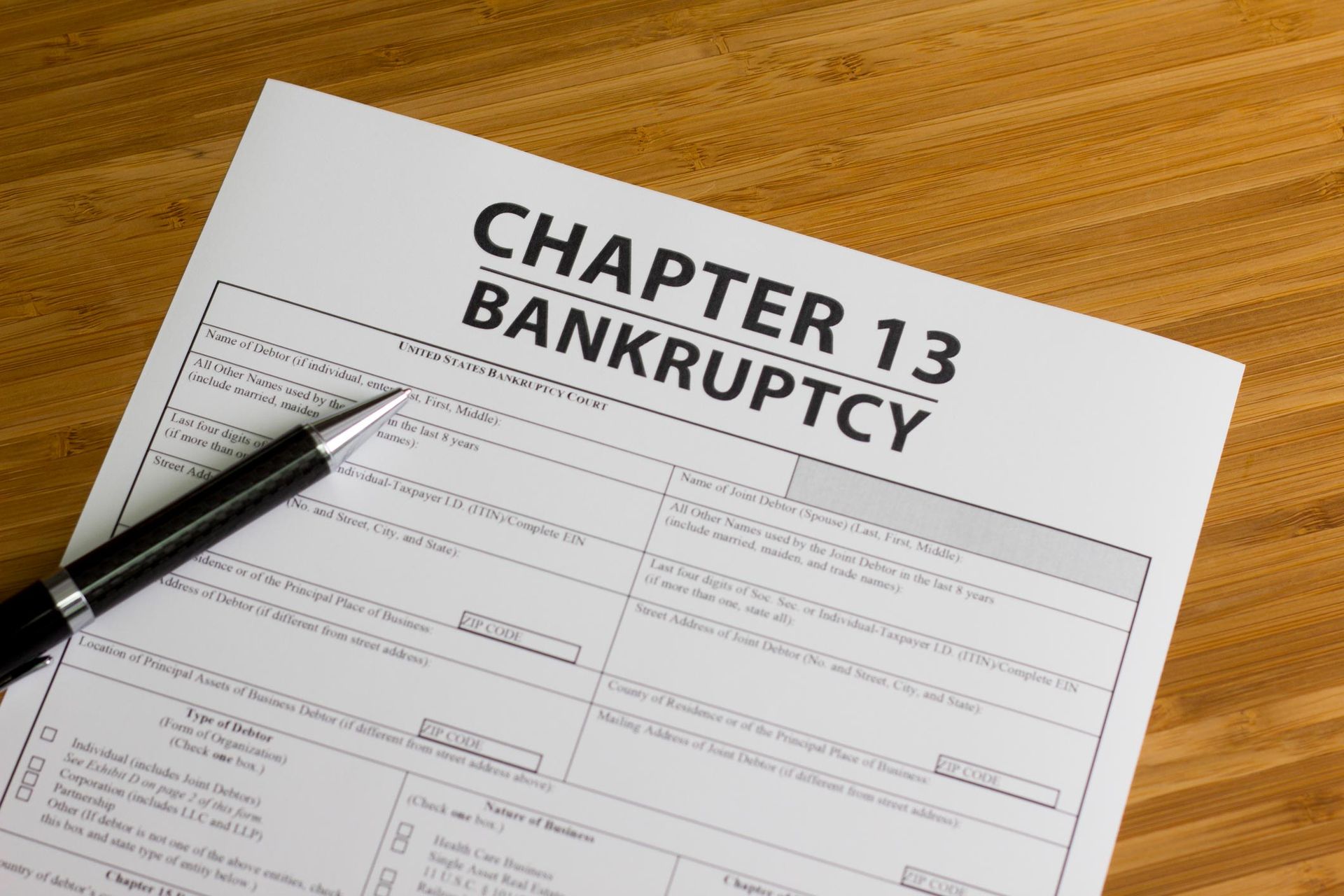
Chapter 13 works best for filers who have a steady income and want to catch up on mortgage arrears or protect property that would not be fully shielded in Chapter 7. If you are behind on your home in Stuart or Jensen Beach and facing foreclosure, Chapter 13 may allow you to keep the property while catching up on missed payments over time.
Do You Qualify? Understanding Florida's Means Test
The means test determines whether a filer can use Chapter 7. Florida law requires filers to compare their household income against the state median for their family size. If your income falls below that median, you may qualify automatically. If it is higher, a more detailed calculation of allowable expenses is required. The income limits are recalculated periodically, so current thresholds may differ from prior years.
What Happens If You Do Not Pass the Means Test?
Failing the Chapter 7 means test does not close the door on relief. Many filers who do not qualify for Chapter 7 choose Chapter 13 instead. This path requires regular income, but it can still eliminate a significant portion of unsecured debt by the end of the repayment plan.
Florida's Homestead Exemption and What It Means for Stuart Filers
Florida's homestead exemption is one of the strongest in the country. For filers who have lived in Florida for at least two years, the state's constitutional homestead protection may shield unlimited equity in a primary residence during bankruptcy. Homeowners in Stuart, Palm City, and Hobe Sound should understand this protection carefully before choosing a chapter.
Key Differences at a Glance
- Timeline: Chapter 7 may resolve in three to four months; Chapter 13 requires a three-to-five-year repayment plan.
- Debt Outcome: Chapter 7 may discharge most unsecured debt; Chapter 13 reorganizes debts into a manageable monthly payment.
- Asset Risk: Non-exempt assets may be liquidated in Chapter 7; Chapter 13 lets you keep assets while repaying creditors.
- Foreclosure Protection: Chapter 13 can help borrowers catch up on mortgage arrears and potentially stop foreclosure long-term.
- Income Requirement: Chapter 7 requires passing the means test; Chapter 13 requires regular income to fund a repayment plan.
What Debts Cannot Be Discharged Through Bankruptcy?
Certain debts survive bankruptcy in most cases, including child support, alimony, most student loans, recent tax debts, and debts arising from fraud. A qualified bankruptcy attorney can review your full debt picture and explain which obligations would remain after discharge.
Ready to Talk to a Bankruptcy Attorney Serving Stuart, FL?
Call (561) 689-6789 or (772) 344-9090 to schedule your free consultation. You can also contact our team online or learn more on our bankruptcy attorney Stuart, FL, page. Find Ozment Law on Google to read client reviews and get directions.